
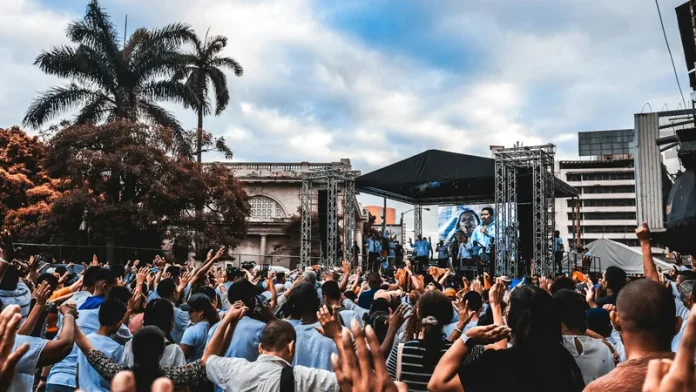
Vladimir Putin ‘frightened of Ukraine’ because of free press and elections, according to a recent statement by a European prime minister. The remark highlights how Ukraine’s democratic system has become an important factor in regional politics. Readers who want to follow broader geopolitical developments can also explore international coverage through https://revuemuscle.com/, where global political updates and analysis are regularly discussed.

Why Ukraine’s Democratic System Challenges Russia
Ukraine’s political system has evolved significantly over the past decades. The country has built democratic institutions, open elections, and a diverse media landscape that differ sharply from Russia’s centralized political structure. These differences have become increasingly visible in the international arena.
The Role of Free Press in Ukraine
Ukraine has developed an active media environment where journalists and independent outlets report on politics, economic developments, and military issues. News organizations investigate government actions and provide analysis that helps citizens understand political events.
This level of press freedom allows multiple viewpoints to circulate in public discourse. It also encourages accountability, as government officials know their decisions can be scrutinized by both the media and the public.

For countries with more restrictive media systems, the presence of a vibrant press nearby can highlight alternative models of governance and information transparency.
Competitive Elections and Political Participation
Ukraine regularly conducts elections where political parties compete openly for leadership positions. Campaigns include public debates, policy discussions, and voter outreach activities that engage citizens in the democratic process.
The presence of competitive elections allows leadership changes through peaceful and legal mechanisms. This reinforces political legitimacy and gives voters a direct role in shaping national leadership.
Such democratic participation contrasts with political systems where leadership changes rarely occur through open electoral competition.
International Reactions to the Statement
The claim that Russia’s leadership may feel threatened by Ukraine’s democratic system sparked widespread discussion among diplomats, political analysts, and international observers.
European Leaders Highlight Democratic Values
Many European leaders continue to emphasize democracy, freedom of speech, and transparent elections as key values that define modern European governance.
Statements supporting Ukraine frequently focus on protecting democratic institutions and national sovereignty. Governments across Europe argue that maintaining democratic systems contributes to stability and long term cooperation.
These positions often translate into diplomatic support, economic assistance, and political engagement with Ukraine.
Analysts Examine Strategic Messaging
Political analysts suggest that public statements about democracy often carry strategic meaning. They serve both as expressions of political values and as signals directed toward international audiences.
By highlighting Ukraine’s democratic institutions, leaders reinforce the ideological contrast between open political systems and centralized authority.
Experts also note that such statements influence global narratives and shape diplomatic discussions around regional security and governance.
The Broader Impact on Global Politics
The conversation surrounding democracy in Ukraine extends beyond the region. It influences global political discourse, international alliances, and the way democratic values are discussed worldwide.
Democracy as a Geopolitical Factor
In modern geopolitics, political systems often shape international partnerships. Countries frequently align with nations that share similar political values or governance structures.
Ukraine’s democratic institutions have strengthened relationships with several European states and other democratic partners. These partnerships involve economic cooperation, security coordination, and diplomatic collaboration.
As a result, domestic political systems can play an important role in broader international dynamics.
Media Narratives and Global Public Opinion
Global media coverage significantly influences how international audiences understand political developments. News organizations, commentators, and analysts provide context that helps explain complex geopolitical situations.
Reports about Ukraine’s democratic institutions and Russia’s political system contribute to wider public debates about governance, freedom of expression, and international relations.
Digital media platforms and global news outlets allow readers around the world to follow events in real time and engage with different perspectives.
Conclusion
The statement that Vladimir Putin may be uneasy about Ukraine’s free press and democratic elections highlights the wider contrast between different political systems. Ukraine’s commitment to open media and competitive elections continues to attract global attention and shape diplomatic conversations. As geopolitical tensions evolve, discussions about democracy, sovereignty, and political transparency will remain central to understanding the future of Eastern Europe.