
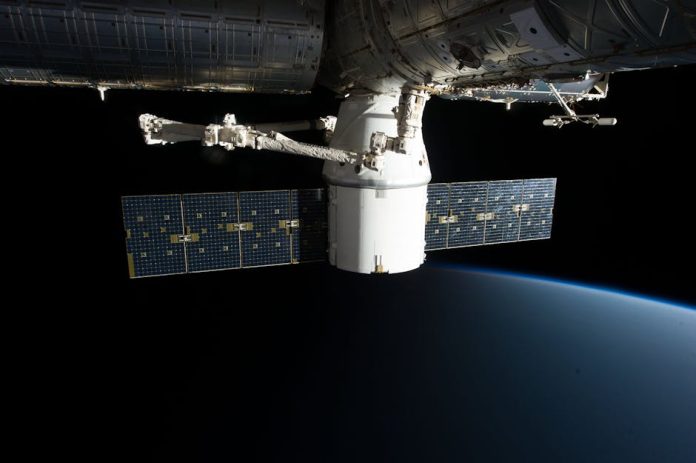
Two Starlink Satellite Anomalies Signal Growing Risks in Space Operations
The recent anomaly has raised questions about the safety of SpaceX’s operations, particularly in relation to the International Space Station (ISS) and upcoming missions like NASA’s Artemis 2. SpaceX has assured that the incident poses “no risk to the ISS, its crew, or the Artemis 2 mission,” which is scheduled to launch on Wednesday. However, the company acknowledges the need to identify the root cause and implement corrective measures. The ISS orbits at a similar altitude to the affected satellites, making the proximity a potential concern. While SpaceX claims the fragments from the anomaly will de-orbit within weeks, the incident highlights the unpredictable nature of space debris and the difficulty of predicting its trajectory.
SpaceX’s admission of these anomalies comes amid growing scrutiny over the environmental and safety implications of its satellite network. The company’s plan to deploy up to a million orbital data centers, as proposed by CEO Elon Musk, adds to the complexity. These massive structures, intended to provide data storage and processing in space, could exacerbate the debris problem. The recent incidents serve as a warning that even with advanced technology, the risks of space operations are far from fully understood. As SpaceX continues to expand its presence in orbit, the need for robust safety protocols and international cooperation becomes increasingly urgent.
The Environmental and Safety Implications of Space Debris
The issue of space debris is not new. In the 1980s, the proliferation of defunct satellites and rocket stages created a “space junk” problem that required international attention. Today, the situation has worsened due to the rapid deployment of satellite constellations like Starlink. Each satellite adds to the debris field, increasing the likelihood of collisions. The recent anomalies highlight how even minor malfunctions can create hazardous conditions in orbit. For instance, the December incident, which involved a satellite explosion, generated debris that could potentially collide with other satellites or spacecraft. Such events underscore the need for more stringent regulations and proactive measures to mitigate the risks associated with space debris.
SpaceX’s expansion plans further complicate the issue. The company’s vision of a million orbital data centers, while ambitious, could create an even larger debris field. These structures, if not properly managed, could become additional sources of space junk. The environmental impact of such a system is difficult to predict, but experts warn that the long-term consequences could be severe. The combination of satellite explosions, debris accumulation, and chemical emissions presents a multifaceted challenge that requires coordinated global efforts. As the number of satellites in orbit continues to grow, the pressure to develop sustainable space practices becomes more pressing.
Satellite Coordination Challenges and the Risk of Collisions
The lack of coordination is a growing problem as the number of satellites in orbit increases. Companies like SpaceX, OneWeb, and Amazon’s Project Kuiper are deploying thousands of satellites, creating a crowded orbital environment. Without a centralized system for tracking and managing satellite movements, the risk of collisions rises exponentially. The near miss between Starlink and the Chinese satellite serves as a stark reminder of the consequences of poor communication. In a space environment where even small debris can cause catastrophic damage, the absence of a unified approach to satellite management is a significant oversight.
Addressing these challenges requires international collaboration and the development of standardized protocols for satellite operations. Space agencies and private companies must work together to establish guidelines for deconfliction, debris mitigation, and emergency response. The recent anomalies and near misses underscore the urgency of such efforts. Without proactive measures, the growing number of satellites could lead to a cascade of collisions, creating a self-sustaining debris field that threatens both current and future space missions. The need for a coordinated global approach to space safety has never been more critical.
CONCLUSION
The recent Starlink satellite anomalies and near misses highlight the urgent need for improved space safety measures and international cooperation. SpaceX’s expansion plans, while ambitious, pose significant risks due to the potential for debris accumulation and environmental impact. The challenges of satellite coordination and collision avoidance underscore the complexity of managing a growing orbital environment. As the number of satellites in orbit continues to rise, the importance of sustainable space practices cannot be overstated. The incidents involving Starlink serve as a wake-up call for the industry to prioritize safety, transparency, and collaboration. Without these efforts, the future of space exploration and satellite operations may be jeopardized by
See related coverage: Boris Johnson rips up climate rulebook as he moves to replace Russian supply of oil and gas